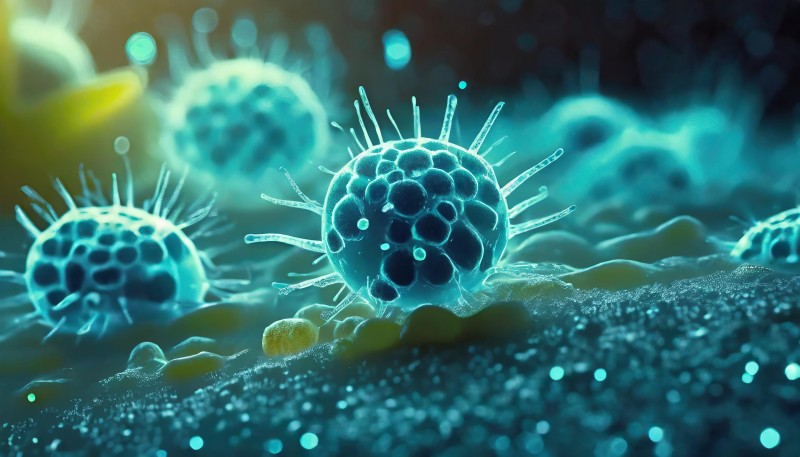
Firefly a realistic microscopic image of bacteria floating 61088.jpg

What is Antimicrobial Technology?

Antimicrobial technology refers to the incorporation of specific active substances into materials to help inhibit the growth of microorganisms on treated products. In industrial and manufacturing applications, antimicrobial technologies are primarily used to support product protection by reducing microbial growth that can contribute to odor development, staining, and material degradation over time.

Silver ion technology is one example of an antimicrobial approach that can be integrated into materials such as plastics, textiles, coatings, and other surfaces during manufacturing. When incorporated into a treated article, silver ions interact with microorganisms at the surface level, helping limit their ability to grow on the product itself. This built-in functionality is designed to support long-term product performance and durability alongside routine cleaning and maintenance and is in no way meant to protect the user.

Understanding The Meaning of Antimicrobial Technology

Dictionary Definition of 'Antimicrobial'

Pronunciation: /ˌæn.ti.maɪˈkroʊ.bi.əl/ (UK) | /ˌæn.taɪ.maɪˈkroʊ.bi.əl/ (US)

Definition: Relating to substances or properties that inhibit the growth of microorganisms.

Etymology: Derived from the prefix anti- (against) and microbial (relating to microorganisms). The term originated in the early 20th century alongside advances in microbiology and materials science.

In a materials and manufacturing context, antimicrobial technology refers to the incorporation of specific active substances into products to help inhibit the growth of microorganisms on treated materials. These technologies are commonly used to support product protection by reducing microbial growth that can contribute to odor development, staining, and material degradation over time.

When antimicrobial additives are integrated into products such as plastics, textiles, coatings, or other materials, they provide built-in functionality designed to support long-term product performance and durability. Antimicrobial technologies are intended to complement routine cleaning and maintenance practices and are focused on protecting the treated article itself, rather than providing protection to users or the surrounding environment.

what-is-mrsa-addmaster.jpg

Silver Ion Technology: Supporting Product Protection

Silver ion technology is a well-established materials technology used in manufacturing to help inhibit the growth of microorganisms on treated products. Silver has long been incorporated into materials for its functional properties, and today silver ions (Ag⁺) are used in controlled formulations that can be integrated into plastics, textiles, coatings, and other materials during production.

When incorporated into a treated article, silver ions interact with microorganisms at the surface level, helping limit their ability to grow on the product itself. This action supports product protection by reducing microbial growth that can contribute to odor development, staining, and material degradation over time.

Silver ion technology is used across a wide range of industrial and consumer applications to support long-term product performance and durability. It is designed to complement routine cleaning and maintenance practices and is focused on protecting the treated material, rather than providing protection to users or the surrounding environment.

How biomaster works.png

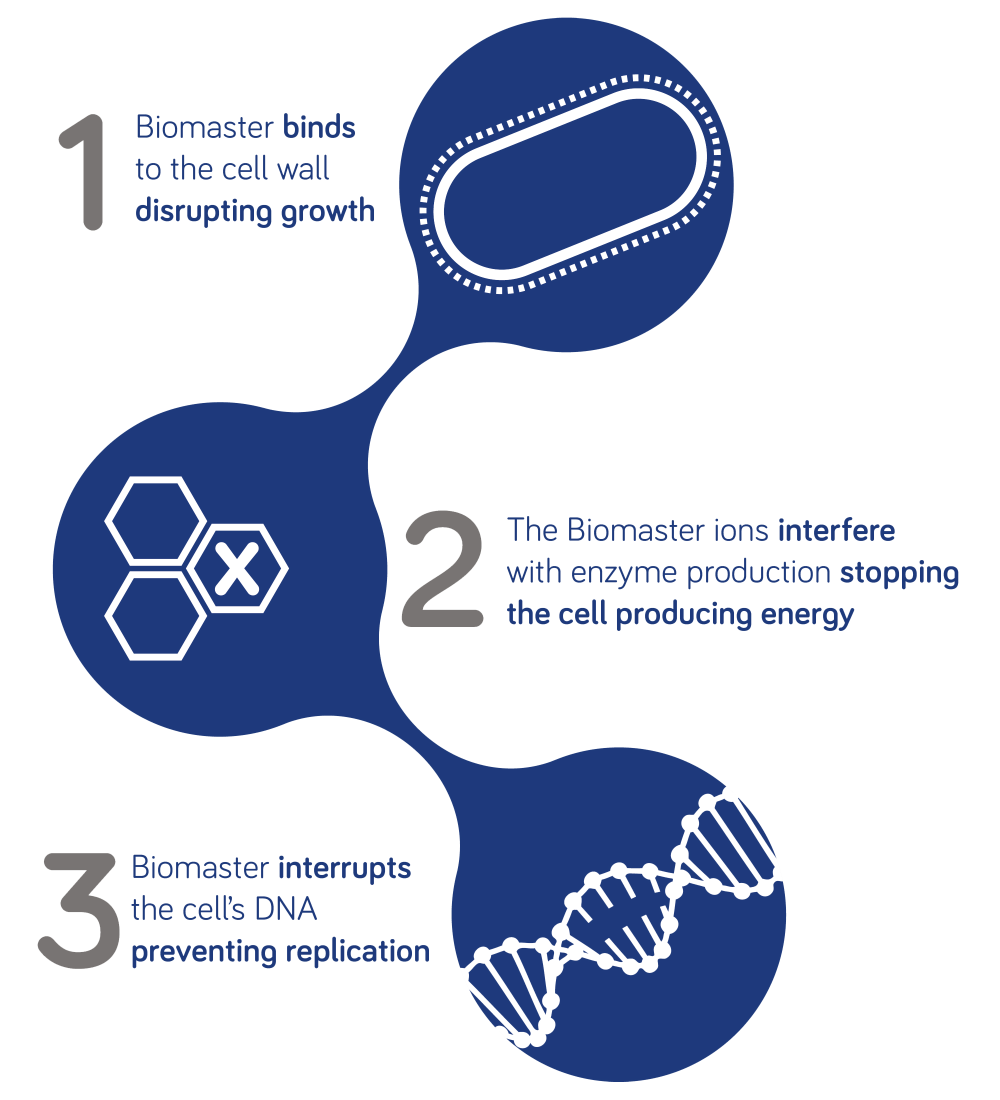
How Biomaster Silver Ion Technology Works

When incorporated into a treated product, Biomaster silver ion technology helps inhibit the growth of microorganisms on the surface of the material. Silver ions interact at a cellular level with microorganisms that come into contact with the treated article, interfering with key biological processes that are necessary for microbial growth.

This interaction helps limit the ability of microorganisms to multiply on the treated product, supporting protection against microbial growth that can contribute to odor development, staining, and material degradation over time. The technology is designed to function as a built-in feature of the product and to complement routine cleaning and maintenance practices.

Biomaster-hospital-stay.jpg

Applications of Silver Ion Technology

Silver ion technology can be incorporated into a wide range of materials across multiple industries to support product protection. Typical applications include:

  • Healthcare: From medical devices to wound dressings, silver ion technology can be integrated to help protect treated materials from the growth of odor-causing and material-degrading microorganisms, supporting product durability alongside routine cleaning and care.
  • Consumer Goods: Products such as household items and electronics can incorporate silver ion technology to help inhibit microbial growth on treated surfaces that may contribute to odor, staining, or material degradation over time.
  • Textiles: When integrated into fabrics, silver ion technology helps limit microbial growth on treated textiles, supporting freshness, appearance, and material longevity throughout the product’s intended use.
  • And many more: Silver ion technology is used across numerous additional applications where long-term product performance and material protection are required.
addmaster_best_chemical_additive_supplier.jpg

Advantages of Silver Ion Technology

  • Broad application suitability: Silver ion technology can be used across a wide range of materials to help inhibit the growth of microorganisms on treated products, supporting protection against microbial growth that can contribute to odor, staining, and material degradation.
  • Built-in functionality: When incorporated into a treated article during manufacturing, silver ion technology provides ongoing product protection as part of the material itself, helping support long-term product performance alongside routine cleaning and maintenance.
  • Responsible material integration: Silver ion technology is formulated for controlled incorporation into products in accordance with applicable material and regulatory requirements, supporting durability and sustainability goals through extended product lifespan and reduced need for replacement.

A Focus on Long-Term Product Performance

As manufacturers look to extend product lifespan and maintain material quality, antimicrobial technologies such as silver ion technology are increasingly used as part of a broader materials-engineering approach. When incorporated into products during manufacture, these technologies help inhibit the growth of microorganisms on treated materials that can contribute to odor development, staining, and material degradation over time.

Silver ion technology supports built-in product protection across a wide range of applications, including consumer goods, packaging, textiles, and industrial materials. By helping maintain surface quality and durability, it complements routine cleaning and maintenance practices without replacing them.

Addmaster works with manufacturers to integrate silver ion technology into products where long-term material performance and consistency are critical. Through this approach, businesses can develop products designed to retain their intended appearance, functionality, and value throughout their usable life.

Learn More

Educational Articles

At Addmaster, we are committed to providing our customers and partners with in-depth knowledge on antimicrobial technology and its applications. Our comprehensive collection of educational articles covers a wide range of topics, from the science behind silver-based additives to the benefits of antimicrobial protection in various industries. Whether you’re looking to enhance your understanding of how these technologies work or stay updated on the latest innovations, our resources are designed to offer valuable insights and guidance.

  • The Role of Silver in Antimicrobial Additive Technology
    The Role of Silver in Antimicrobial Additive Technology

    Silver has been revered for centuries as a powerful and reliable antimicrobial agent, with ancient civilizations recognizing its ability to preserve freshness and prevent microbes. From storing water in silver vessels to applying silver-based treatments for wounds, its natural ability to combat harmful microbes has stood the test of time. Today, silver remains one of the most trusted and effective solutions in helping to control bacteria, viruses, and fungi in a wide range of industries, from healthcare to food packaging.

  • What Does Antimicrobial Mean?
    What Does Antimicrobial Mean?

    Antimicrobial refers to substances or agents that have the ability to kill or inhibit the growth of microorganisms. These microorganisms include bacteria, viruses, fungi, and parasites. The primary goal of antimicrobial substances is to prevent the spread and development of these potentially harmful entities, protecting both human health and various products.

    The National Cancer Institute defines antimicrobial as 'A substance that kills microorganisms such as bacteria or mold, or stops them from growing and causing disease'.

  • How Long Does Bacteria Live on a Surface?
    How Long Does Bacteria Live on a Surface?

    Microbes, including bacteria, exhibit remarkable resilience, thriving in environments where other organisms falter. This tenacity extends to inanimate surfaces, such as door handles and tabletops, presenting challenges in hygiene-conscious settings like healthcare and food processing facilities. Let’s delve into the longevity of bacteria on hard surfaces, emphasizing the significance of managing microbial persistence to minimize cross-contamination.